
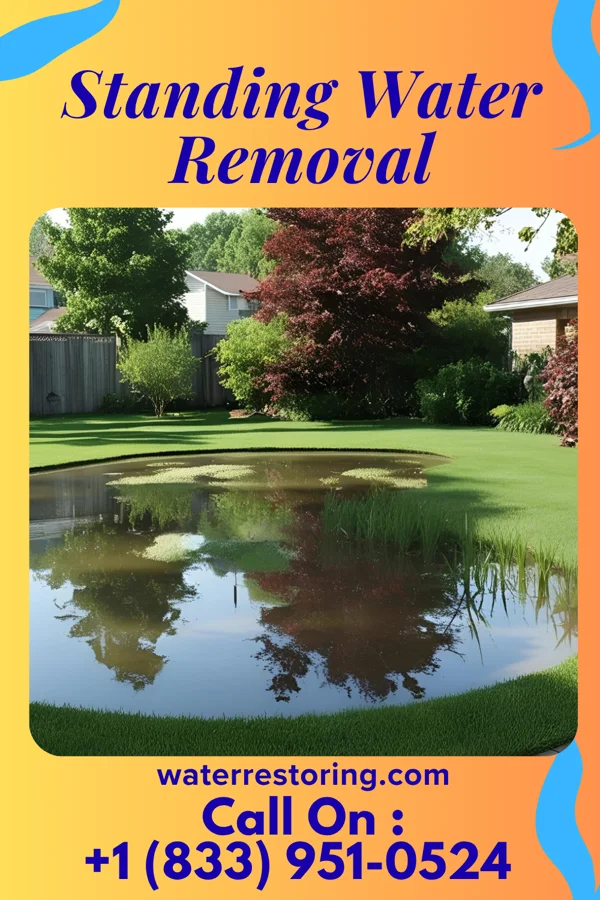
Ground-Water Standing Water in Talbotton
Water damage in Talbotton tends to cluster in predictable windows because of the local climate. In Talbotton, Georgia, standing water damage is often caused by heavy rainfall and flooding from nearby rivers and streams, especially during spring and summer storms. The rural setting and lack of extensive drainage systems contribute to water pooling around homes and farmland. A close second is Secondary causes include leaking septic tanks, burst water heaters, and plumbing failures in older homes. Additionally, the area's proximity to Geneva, GA, and Junction City, GA, can lead to water damage from nearby properties or roadways..
Talbotton experiences a humid subtropical climate with frequent thunderstorms and heavy downpours, increasing the risk of sudden water intrusion. The region's low elevation and surrounding waterways make it particularly vulnerable to seasonal flooding.
Talbotton experiences a humid subtropical climate with frequent thunderstorms and heavy downpours, increasing the risk of sudden water intrusion. The region's low elevation and surrounding waterways make it particularly vulnerable to seasonal flooding. The dominant local driver is In Talbotton, Georgia, standing water damage is often caused by heavy rainfall and flooding from nearby rivers and streams, especially during spring and summer storms. The rural setting and lack of extensive drainage systems contribute to water pooling around homes and farmland., with Secondary causes include leaking septic tanks, burst water heaters, and plumbing failures in older homes. Additionally, the area's proximity to Geneva, GA, and Junction City, GA, can lead to water damage from nearby properties or roadways. showing up as the next most common cause. Damage builds in stages. Spread. Absorption. Microbial growth. Structural compromise. Every stage you pass through adds to the final bill.